
Liberia Launches Elimination Strategy For HIV, Syphilis and Hepatitis B Screening

By: Kerper M. Soclor
In a landmark move, Liberia has launched the triple elimination strategy to strengthen maternal health through HIV, Syphilis and Hepatitis B screening.
The launch of the strategy is in adherence to World Health Organization’s recommendation for countries to adapt the “Triple Elimination” strategy—eliminating Mother-to-children transmission (MTCT) of HIV, syphilis, and Hepatitis B virus through integrated testing, treatment, and vaccination within ANC services.
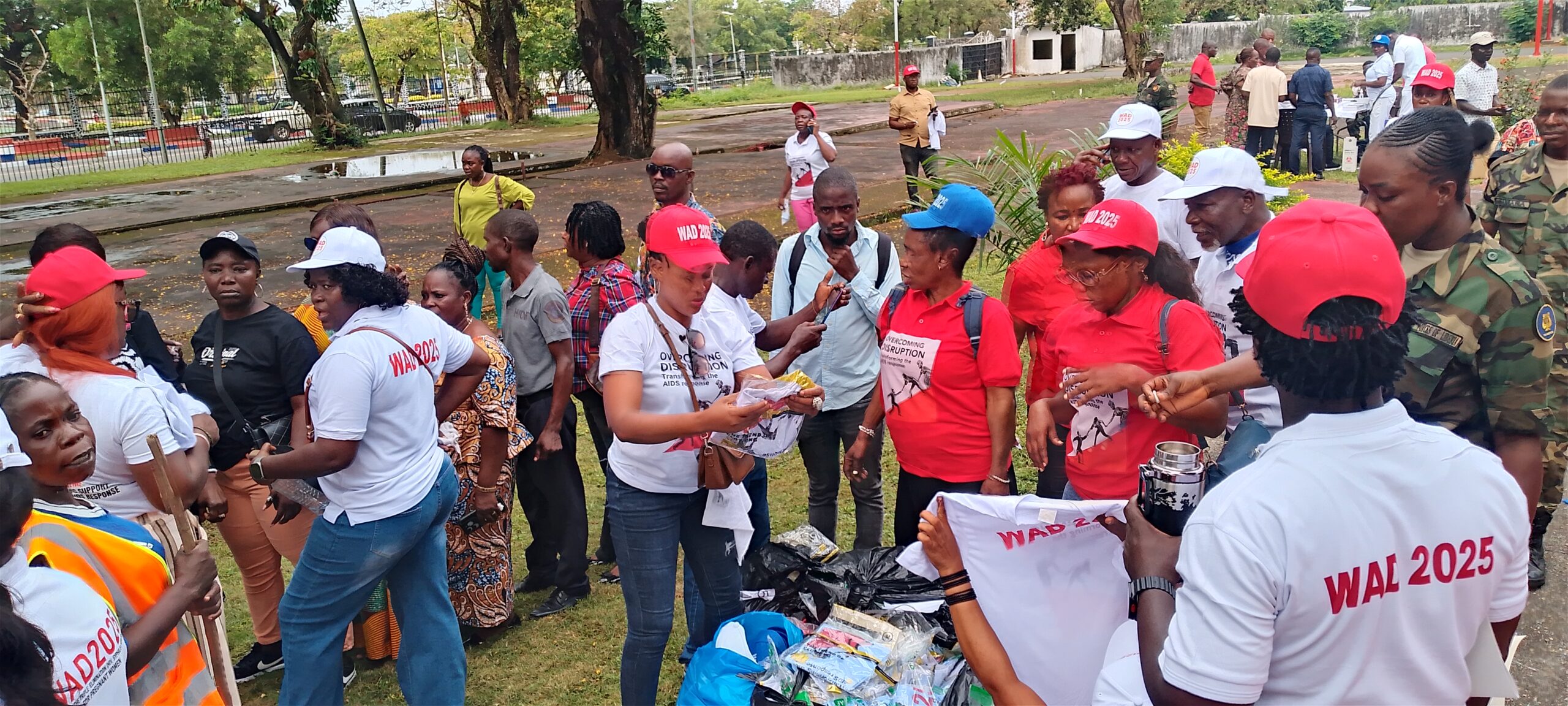
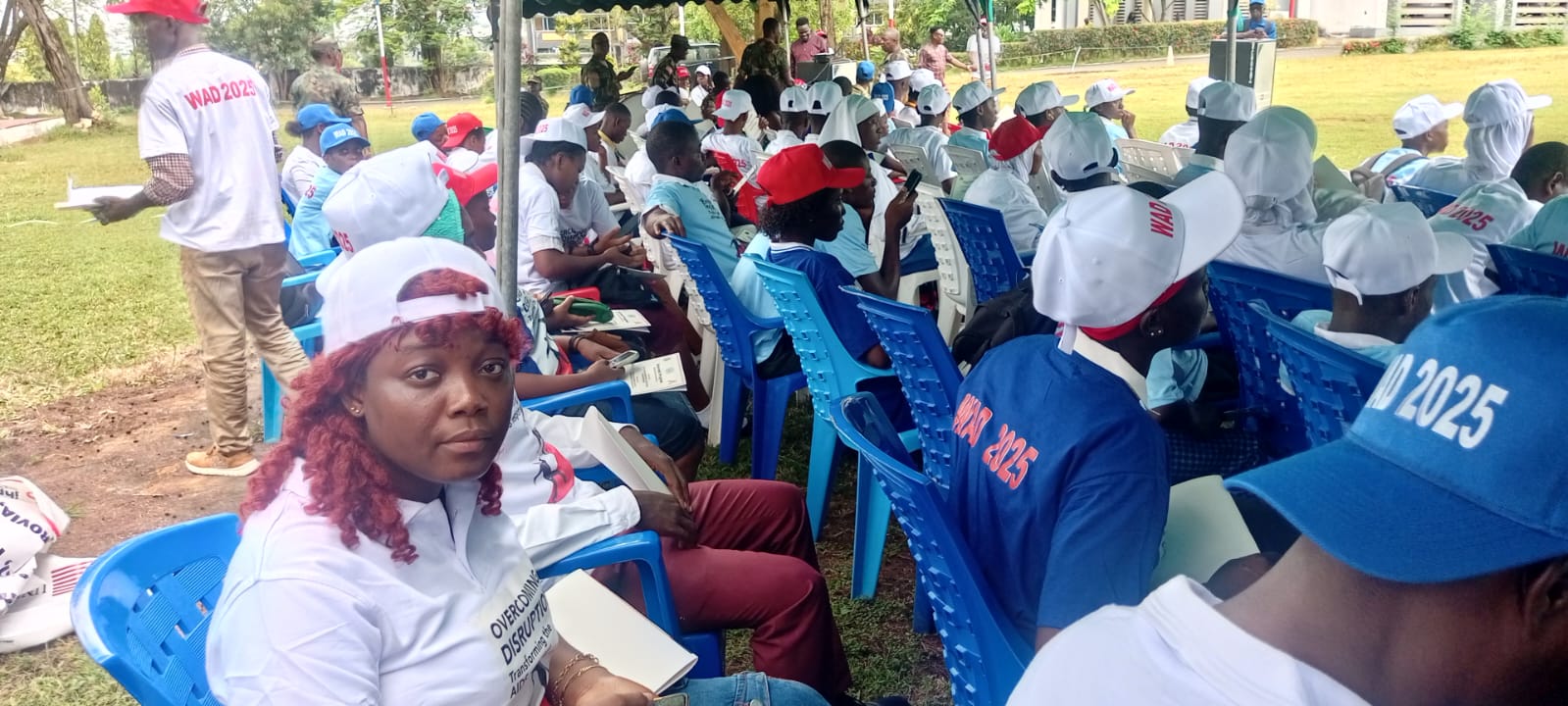
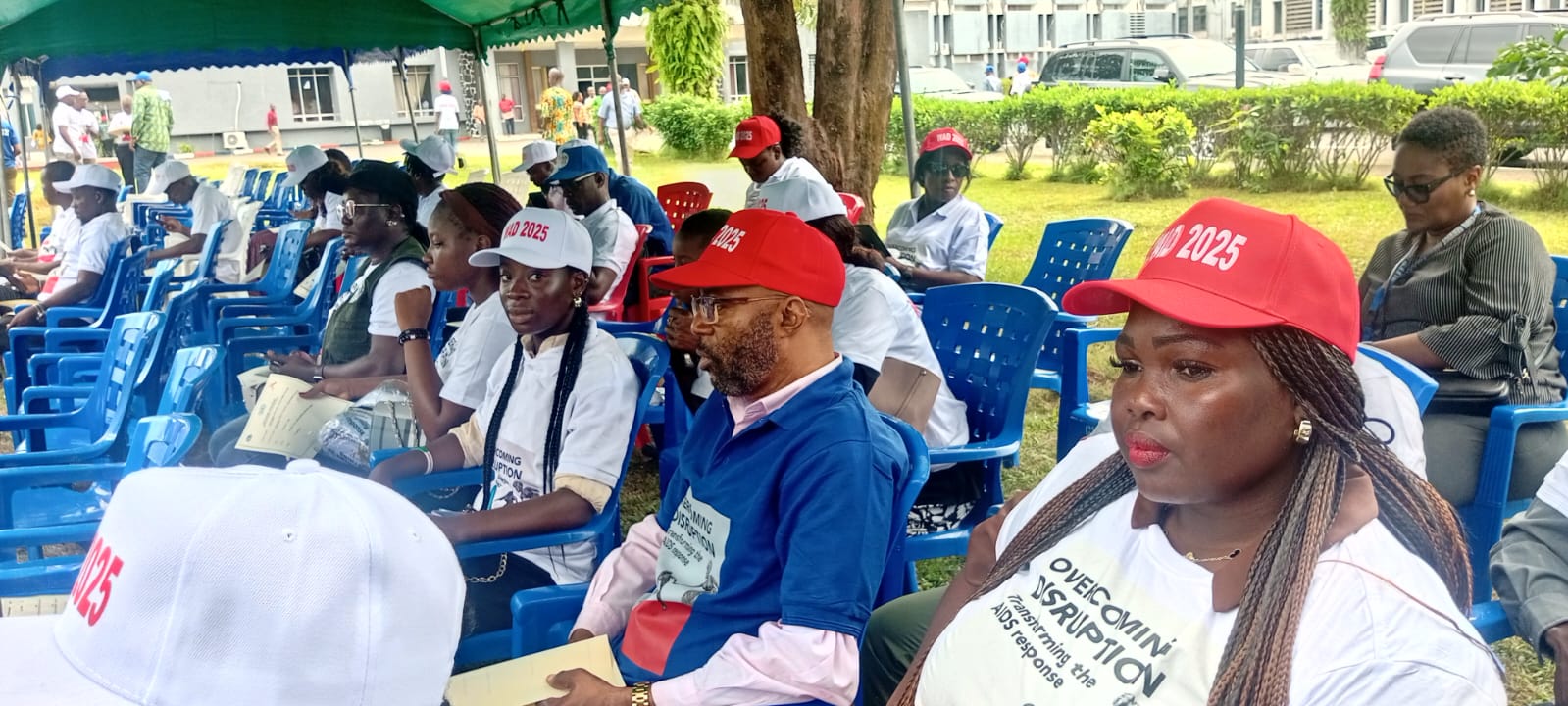
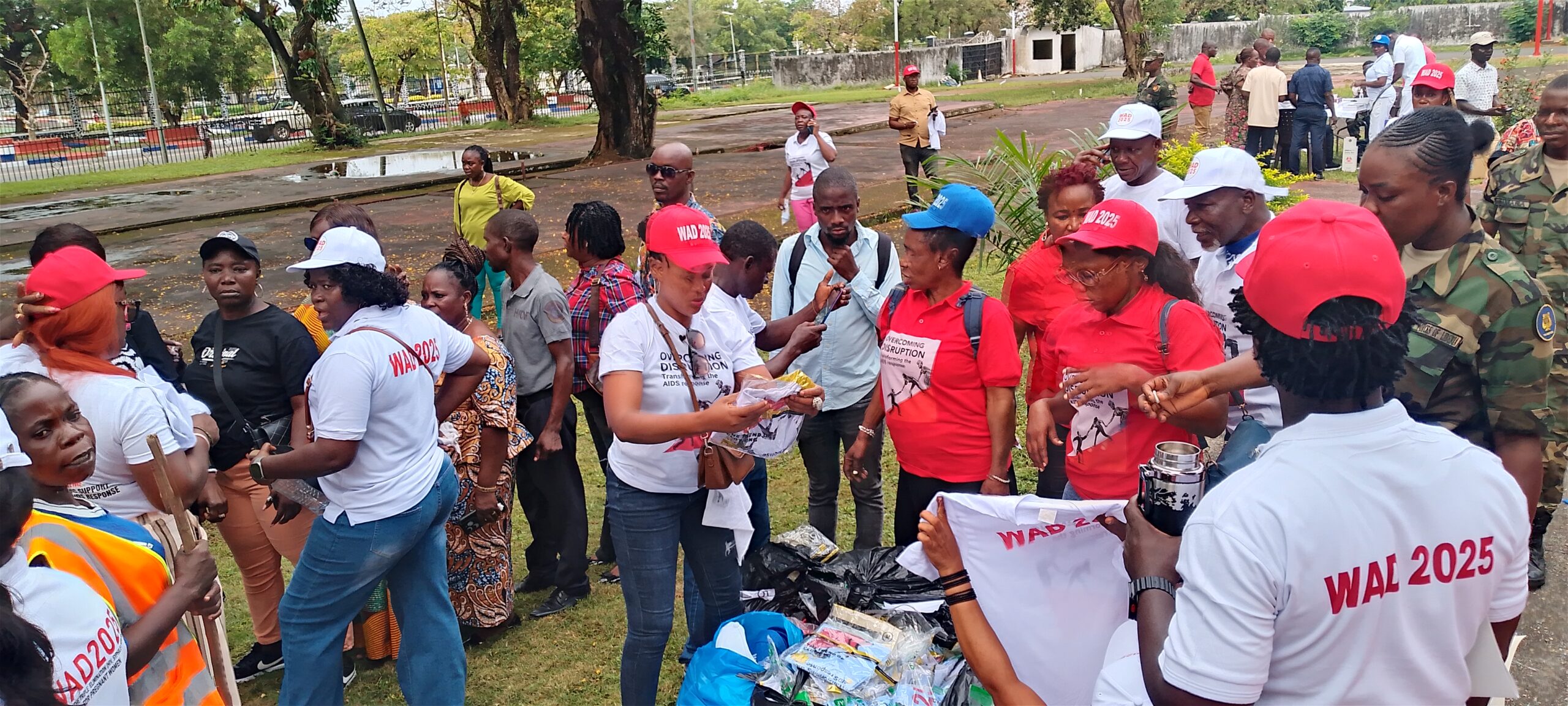
Liberia’s Health Minister, Dr. Louise M. Kpoto launched the strategy on Monday, December 1, 2025 at programs marking the commemoration of 2025 World AIDS Day on behalf of President Joseph N. Boakai.
 Minister Kpoto recalled that as Liberia strengthens domestic financing and work towards transforming the AIDS Response, the Country remains aligned with global scientific advancements such as the Triple Elimination Strategy.
“One of the most transformative developments is the World Health Organization’s Triple Elimination Strategy, which integrates HIV, syphilis, and hepatitis B testing within routine maternal health services,” Dr. Kpoto said.
The Liberian Health Minister noted that Liberia has demonstrated exceptional progress in dual HIV and syphilis testing, with coverage increased from less than 10% in 2017 to nearly 80% in 2023, saving the lives of more than 1,300 newborns and preventing over 2,300 adverse birth outcomes.
Dr. Kopto: “This progress positions Liberia for the next phase, which is the triple testing of HIV, hepatitis B and syphilis and presents an opportunity to protect mothers and newborns.
“In fulfillment of our commitment to protect mothers and newborns, improve national health security, and accelerate progress toward triple elimination, I am honored to officially launch the National HIV, Syphilis, and Hepatitis B Triple Testing Initiative for all pregnant women in Liberia,” She told the gathering.
Serving as proxy for President Boakai, the Health Minister said the launch of the triple elimination strategy represents a historic milestone for Liberia, because it signals the Country into a new era of integrated maternal health care.
“I call on health workers, county authorities, traditional midwives, community leaders, and civil society organizations to support this life saving initiative. Every pregnant woman must be reached, and every newborn must be protected,” Dr. Kpoto urged.
In Liberia, HIV prevalence among pregnant women: ~0.7 % (2023, UNAIDS), Syphilis prevalence among pregnant women: ~2.7 % (2017, UNAIDS), Hepatitis B prevalence (general adult population): estimated 8–10 %, indicating high endemicity (MOH/NACP, WHO Liberia 2023).
Dual HIV/Syphilis screening coverage increased from <10 % (2017) to ~80 % (2023) through national rollout of dual test kits. Treatment coverage among syphilis-positive women: ~88 %, and over 320,000 pregnant women tested since the program began, averting 2,300+ adverse birth outcomes and saving over 1,300 newborn lives (Evidence Action, 2023).
In her World AIDS Message, the Health Minister on behalf of President Boakai, urged Liberians to remember thousands of people who have lost their lives to AIDS-related illnesses.
“Their memory inspires our actions and strengthens our resolve. Let us also stand with all Liberians living with HIV, affirming that they are not alone. Their courage and resilience represent the spirit of our nation. I call on every Liberian to embrace a renewed sense of responsibility, because ending AIDS is not an aspiration,” Dr. Kopto.
She told partners and policymakers who have gathered to commemorate this year’s World AIDS Day to that ending AIDS is an achievable national promise that requires unity, courageous leadership, and sustained domestic investment.
“As we work to transform our AIDS response, we must recommit to a Liberia where no child is born with HIV, where no mother dies from a preventable infection, and where every citizen living with HIV experiences dignity, hope, and opportunity. Together, we can end AIDS in Liberia. Together, we can protect the health of future generations. Together, we can build a stronger, healthier, and more resilient nation,” Dr. Kpoto said.
This year’s World AIDS Day was commemorated under the Global Theme: “Overcoming Disruption, Transforming the AIDS Response, and the National Theme: “Mobilizing Domestic Support, Transforming the AIDS Response”
Since 1988, World AIDS Day has been used to honor millions of people who have lost their lives, support those living with HIV, and recommit to building health systems that protects every life.
Liberia has achieved significant progress in the HIV response over the years. In 2016, the Country’s national performance on the global treatment cascade stood at levels that reflected enormous gaps. Only 20% of people living with HIV knew their status, and just 11% was on treatment. At that time, none had achieved the level of viral suppression that ensures long-term health and reduces the risk of transmission.
Today, 86 percent of person living with HIV know their status, 99% are on treatment, and 95% of those on treatment a virally suppressed. This transformation demonstrates what is possible when policy direction, community engagement, and health system strengthening operate with shared vision and purpose.
Over the past decade, new HIV infections declined by 69% and AIDS related deaths fell by 74%. More than thirty (30) thousand Liberians now receive lifesaving antiretroviral treatment. These achievements have restored Liberia’s hope, protected families, and strengthened national resilience. This reflects the Country’s ability to overcome disruption and transform its National HIV response.
Despite of these achievements, 14% of people living with HIV are still undiagnosed and unaware of their HIV status. This single gap threatens many of our national objectives. No country can end AIDS as a public health threat by 2030 while people remain unaware of their HIV status. Our task is therefore to intensify case finding, expand community outreach, and address barriers to HIV testing across all counties and all populations leaving no one behind.

https://shorturl.fm/G2vCH